Sydney Street Files #2: Starting your journey…
Alright, so you want to get your street photography game up and running. What are some things to consider before getting started?
I’d like to start off with a list of things you should be doing when you start, and some things you shouldn’t do. This is just based on my own personal experience, so leave a comment below if you’d like me to address something else some other time that I may have missed. I’d love to hear your thoughts!
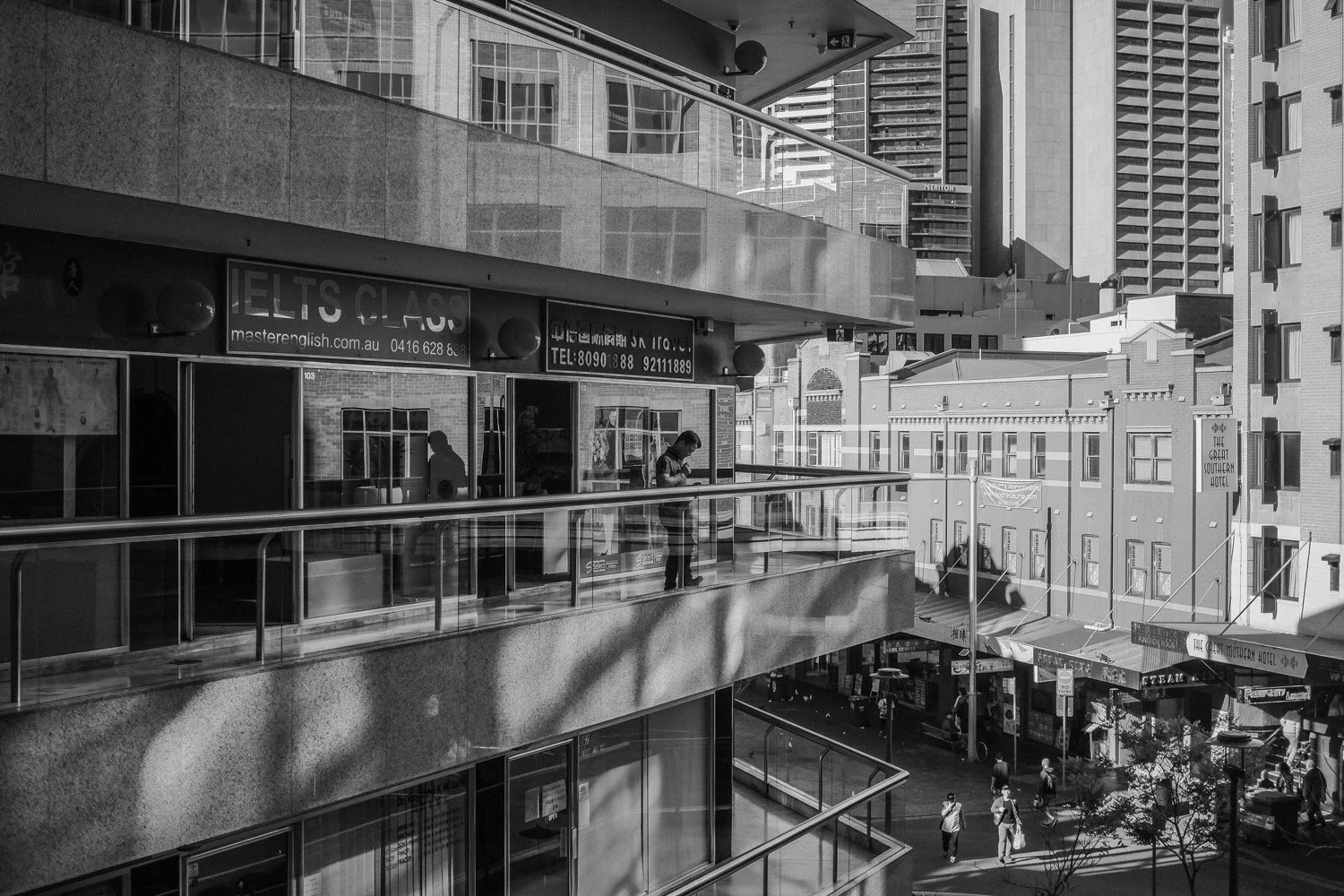
Inspiration always has a starting point, but should never have an endpoint
Start by looking at other creators’ work on Instagram, Flickr, and other photo-sharing websites, using hashtags like #streetphotography (fun, right?) and location tags to guide you along the way. This is an easy and simple step to get your creative juices flowing, and you never know what your inspiration point will be.
Never stop looking for inspiration. Take time before and after a shoot to look at your peer’s work. See what you can improve on by looking at your own photos and comparing it to others.
Make sure to compare and critique your work to that of other creators, but don’t discount your progress afterward. Every creative journey takes time, and you can’t expect to improve overnight. Even the most experienced photographers are still learning every single day.
Research, research, research!
Like with all good things in life, content creation takes time. Put in the hard work to advance your skills and your content will improve along the way.
I will link below some of the biggest influences throughout my creative journey. Most of them don’t even specialise in street photography, but I owe a lot to them as they have taught me so much along the way.
Learning from a wide array of creators can build interest in other forms of photography too. Putting in the time to research other forms of media like video and animation content can help you improve your photography, editing, and marketing skills. Lord knows I have struggled with marketing, and I will get into that in a dedicated blog post sometime down the road.
Here are just a few of the creators I owe a lot to:
James Popsys - Awesomely inspiring landscape and travel photography videos and gear content
North Borders - Aussie, car photography, street photography, sick night shots. What more could you want?
Ted Forbes - This man is an encyclopedia for all things photography, and his content is beautifully crafted. He is clearly a student of photography before anything else
Hiroshi Hamaya - A Japense photography legend. His political photographs are incredibly shot and have been in the back of my mind when shooting protests
Bruce Gilden - If anyone is going to teach you about confidence, it’s Bruce Gilden. Realism and confrontation at its finest
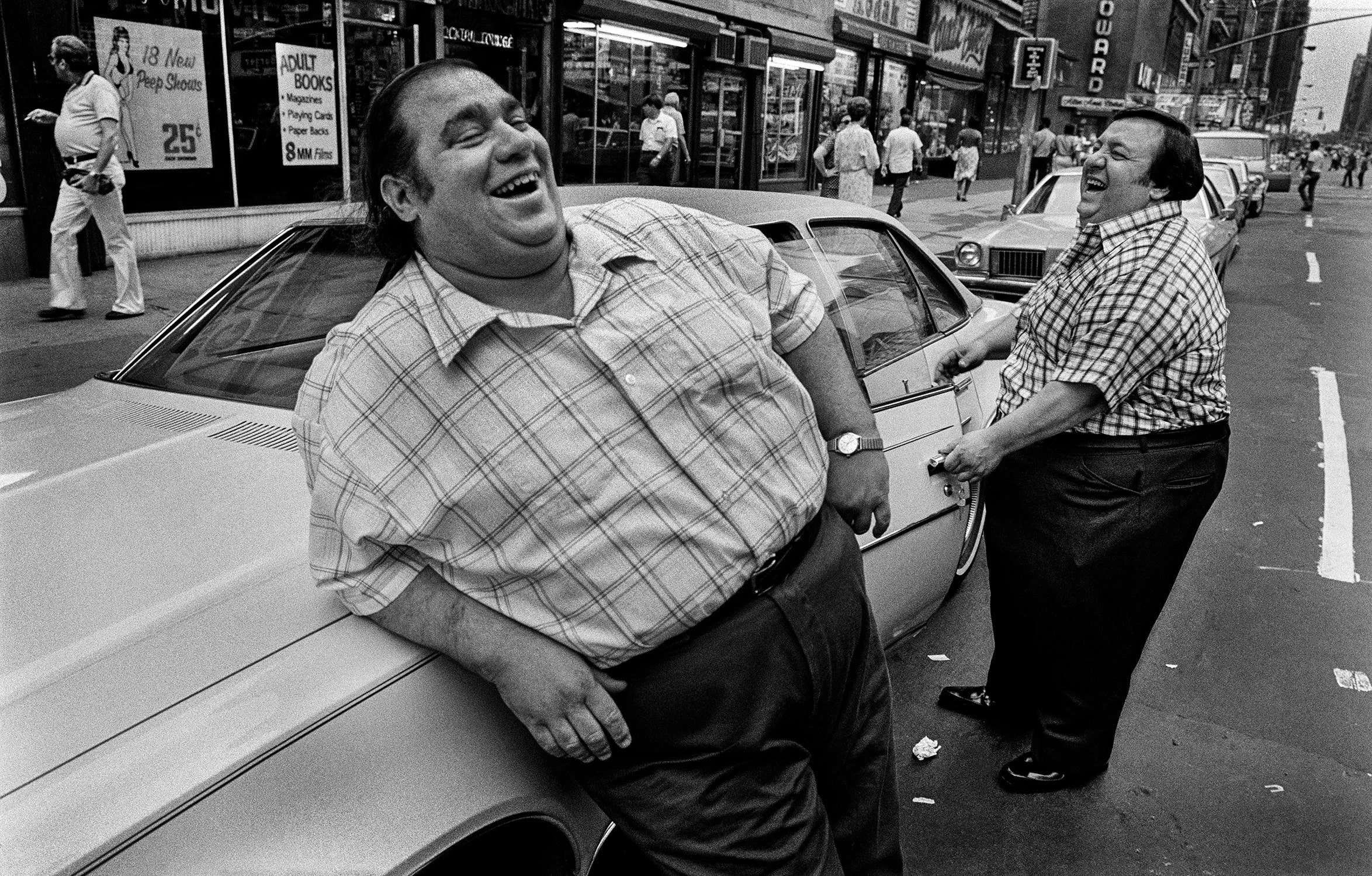
Credit to Bruce Gilden
Reward yourself through goal setting
Some of the goals that I set for myself on a daily shoot have reaped instant rewards, while others haven’t. Each trip out onto the streets should have one or several goals in mind. Some of my favourite shots were produced on days when I planned out exactly which photos I wanted to capture beforehand.
Below is a plan I set for myself on my notebook, which sits in my pocket all day with a pen so I can scratch each point off one by one. It helps me focus on what I want to achieve, as well as cutting down my editing time. It’s also important to note that I have found a physical notebook is easier to track your goals than apps on your phone. Each time you check your pocket, your notebook is there to help you refocus, but the same can’t be said about the distraction box nearby.
Plan Example One
go to [location]
3 photos focusing on capturing strong white light and dark shadows
3 photos have to include a person interacting with their environment
Plan Example Two
go to 3 different locations
5 photos have to include a person interacting with their environment
5 photos focusing on the architecture of the area
shoot away from the sun and avoid the skyline
Plan Example Three: plan days around social and political events in the areas you love to shoot. Apply your street photography skills to take unique photos of these events
group shots
shots of speakers
shots of protesters with signs
candid and posed photography: these events are great places to ask a person for a photo, because the vibe is usually pretty open and friendly. You will find that people are much more comfortable in this kind of setting so seeing a camera will phase less of your subjects
select images to be in black and white, and others to be in colour. Shoot with this in mind too
These are just a couple of random examples I have thrown together of what you can write in your notebook. Don’t let your plan stop you from taking a photo of something you find interesting, even if it doesn’t align with these goals, because you might end up missing the perfect shot.
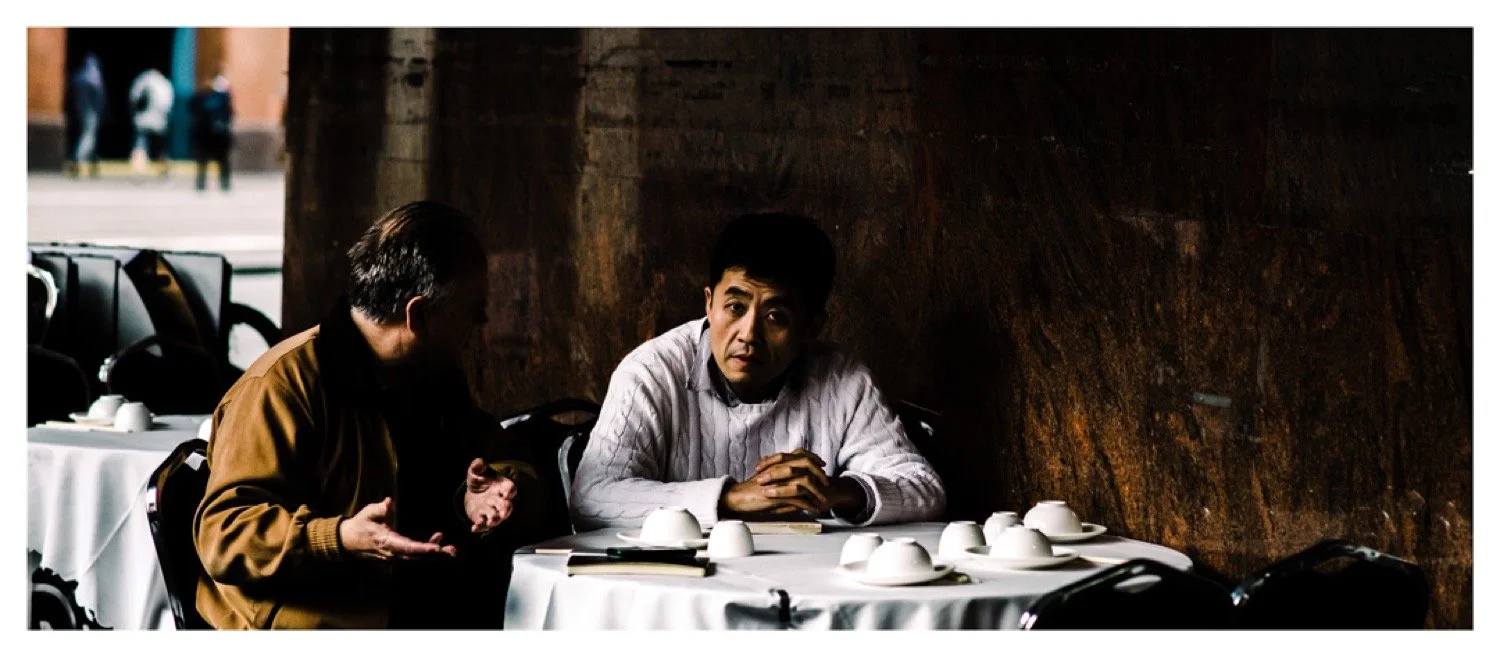
Rule the gear, don’t let the gear rule you
Gear is beautiful. We all love cameras, lenses, and accessories. The way a camera looks and how they feel in your hand can influence your photography in a big way, but don’t let gear influence your entire creative journey.
Experimenting with different gear is part of the process, but don’t expect results to come simply because you’ve just purchased the best camera or lens on the market. There are absolutely zero reasons why the camera or phone you have on you now can’t be used to create inspiring content. Aim to study the basics first and grow from there.
At one point I found that my love of gear was holding back my growth as a street and landscape photographer. It affected my progress so much that I downgraded several times to force myself back into good habits. Live within your means and learn the basics before you decide to progress any further, otherwise, the joy of photography may get lost along the way.
Trust me when I say this: the excitement of new tech can wear off very quickly if you don’t put the time in to learn how to use it properly. This takes time, but 20 minutes a day of skills-based learning can do you a world of good in the long term. The brain is a muscle, and you need to exercise it regularly to work yourself up to becoming a good or even great photographer.
If you’re proud of the work you have produced, share it
This blog is a personal project. I am using it to break out of my shell and share some of my proudest photography moments that I have been too nervous to share with the world. Whether these moments are good or bad in another person’s eye, that shouldn’t hold me back from sharing work I have put hours and hours into producing.
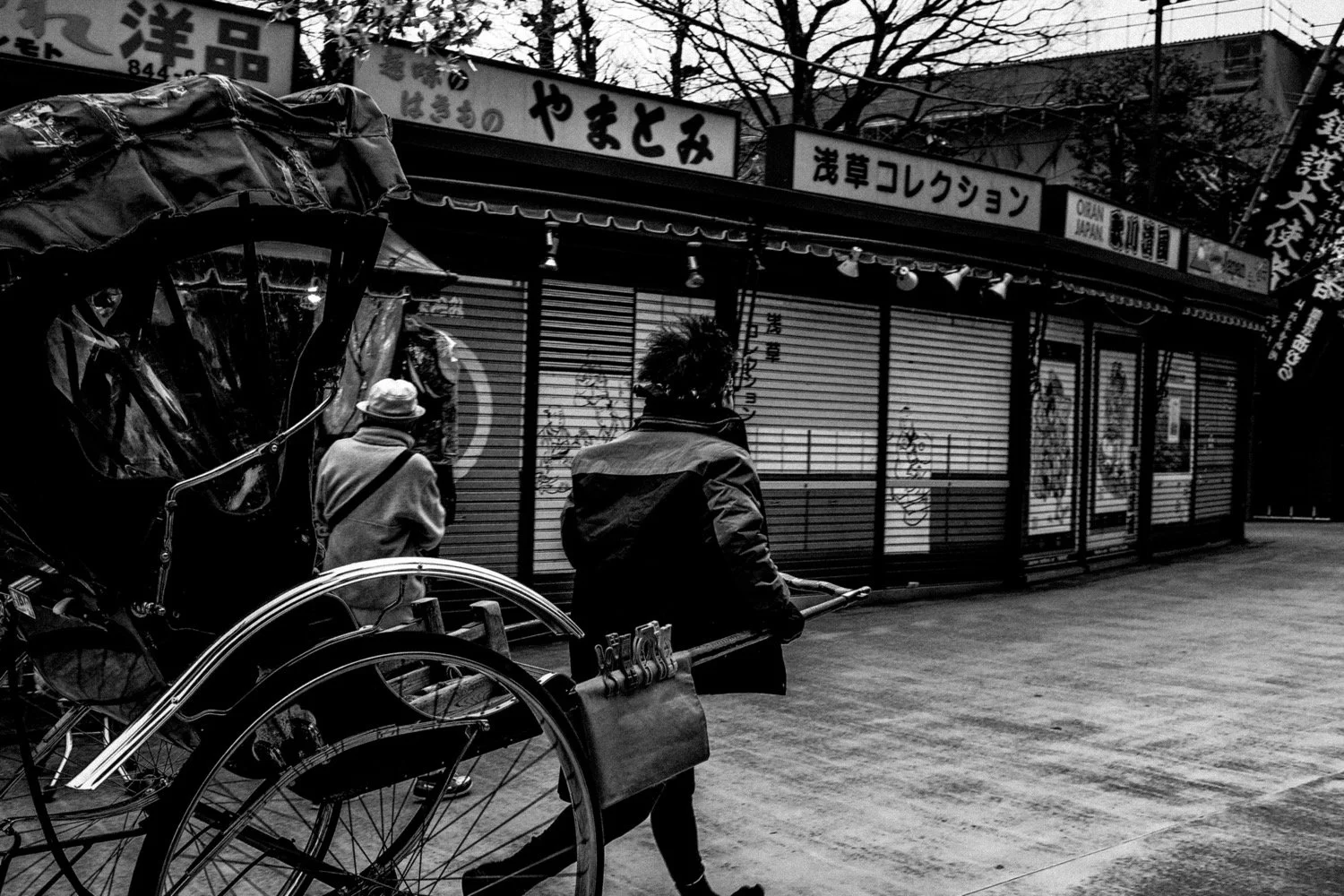
Don’t make the same mistakes I have. I went to Japan, took some (subjectively) great photographs, and barely any of the photos have been shared out of fear of the unknown. Anxiety surrounding your work is normal, but don’t let it hold you back from sharing it on social media or your website because you’re afraid of judgment.